
Best Ayurvedic Skin Care Tips: A Science-Backed Guide by Vedantam Ayurveda
Ayurveda — India’s 5,000-year-old system of holistic medicine — classifies skin health as a reflection of internal balance. Unlike cosmetic-only approaches, Ayurvedic skincare addresses the root cause of skin conditions through diet, lifestyle, herbal formulations, and detoxification. Modern research increasingly supports these principles: studies published in journals such as NCBI confirm the antibacterial and anti-inflammatory properties of key Ayurvedic herbs like neem and turmeric.
At Vedantam Ayurveda, our products are formulated using classical Ayurvedic texts combined with quality testing. This guide outlines practical ayurvedic skin care tips using our four core products — GlowUp Natural Skincare Soap, Night Restoration Cream, Dr. Bansal’s consultation protocols, and Ayur Cleanse Genius — along with actionable information on skin types, seasonal care, and common mistakes to avoid.
Understanding Your Skin Through Ayurveda: The Dosha Framework
Ayurveda identifies three constitutional types (doshas) that influence skin behaviour:
- Pitta skin: Tends to be oily, sensitive, and prone to redness, inflammation, or breakouts. Needs cooling, calming ingredients.
- Vata skin: Often dry, thin, and prone to flakiness or premature aging. Benefits from warm, nourishing, oil-rich formulations.
- Kapha skin: Generally thicker, prone to congestion, enlarged pores, and dullness. Responds well to cleansing and stimulating herbs.
Knowing your dosha — or consulting an Ayurvedic practitioner like Dr. Bansal — helps you choose products and routines that work with your body, not against it.
1. GlowUp Natural Skincare Soap – Daily Herbal Cleansing
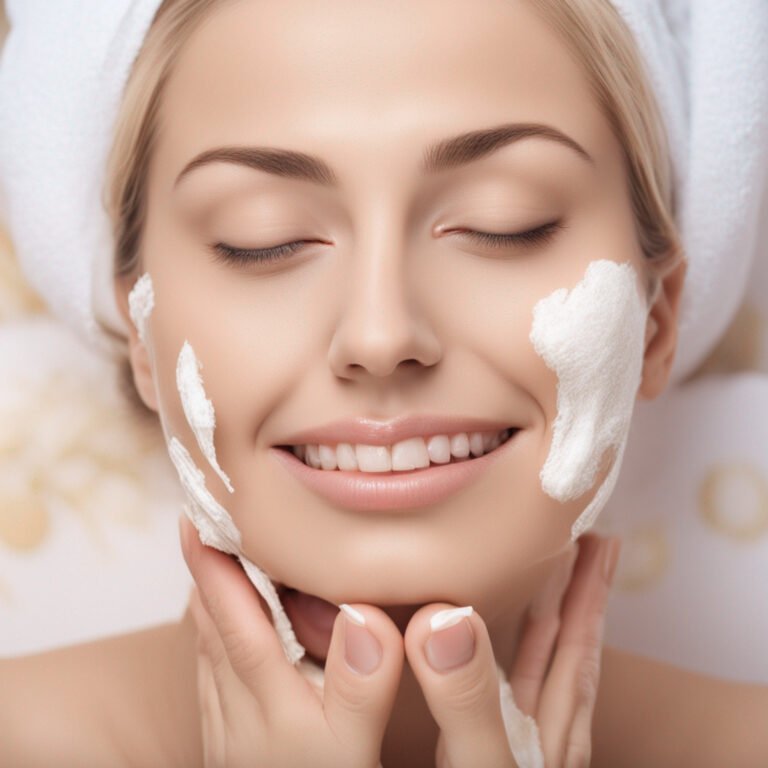
Daily cleansing is the foundation of any ayurvedic skin care routine. GlowUp Natural Skincare Soap by Vedantam Ayurveda is formulated using classical Ayurvedic herbs and carrier oils, without synthetic additives. It is suitable for all skin types including sensitive skin.
Key Ingredients and Their Ayurvedic Properties
- Neem oil: Documented antimicrobial and anti-inflammatory agent. Research referenced on PubMed confirms its role in reducing acne-causing bacteria.
- Shea butter: Rich in fatty acids and known to support skin barrier function, reducing transepidermal water loss.
- Coconut oil: Traditional Ayurvedic skin moisturiser; also has mild antimicrobial properties per
- Coconut oil: Traditional Ayurvedic skin moisturiser; widely used in Pitta and Vata care protocols.
- Tea tree oil: Topical antibacterial; helpful in Kapha and Pitta skin conditions involving congestion or breakouts.
- Essential oils: Provide mild aromatherapeutic benefit; selected for dosha compatibility.
Benefits of GlowUp Natural Skincare Soap
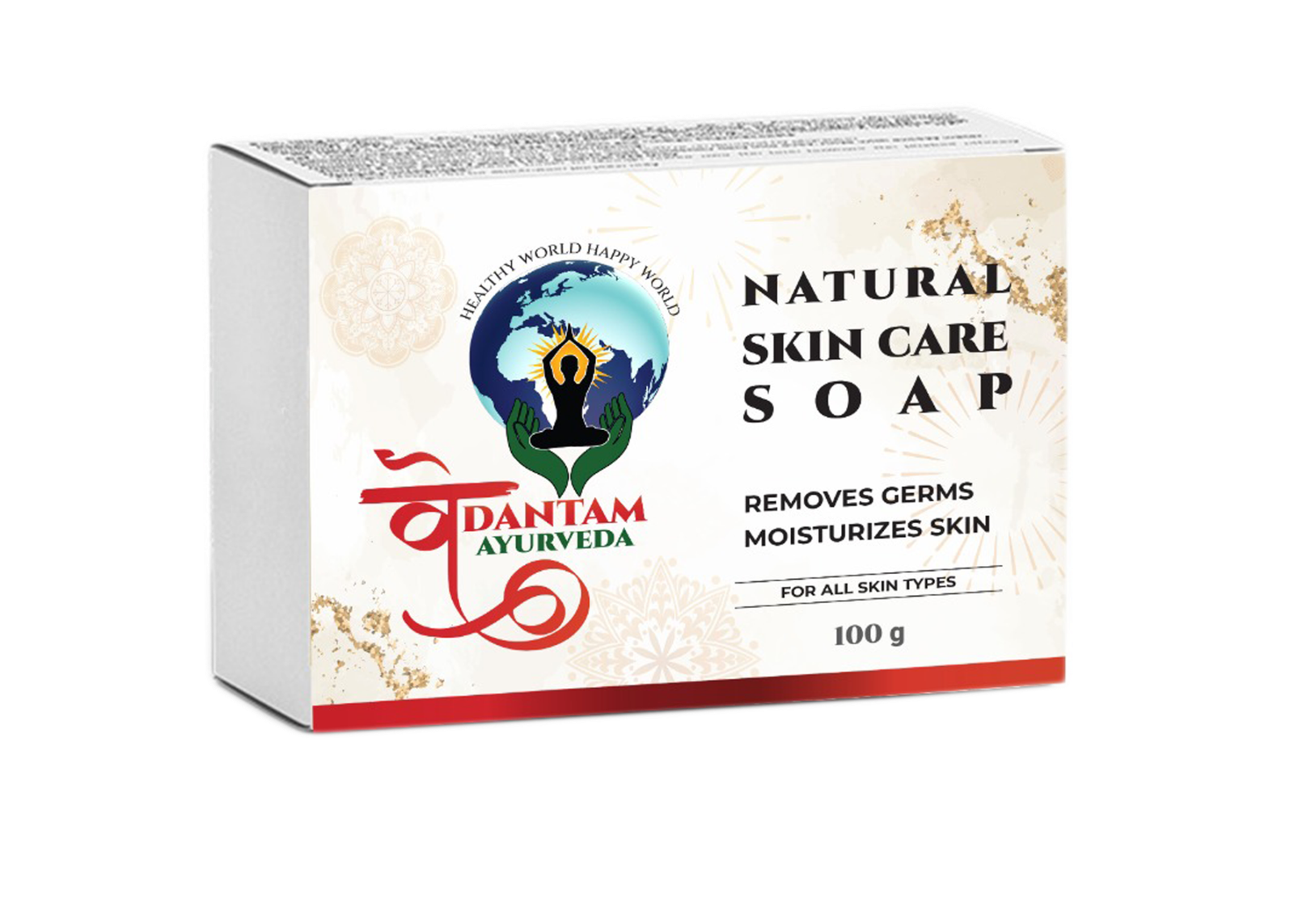
- Removes surface impurities and excess sebum without disrupting the skin’s natural pH
- Free from parabens, sulfates, and artificial fragrances — important for sensitive skin types
- Nourishes while cleansing, unlike stripping synthetic detergent bars
- Suitable for face and body use
- Cruelty-free and vegan formulation
How to Use GlowUp: Step-by-Step
- Wet face or body with lukewarm water
- Work soap into a lather between palms
- Apply gently using circular motions for 30–60 seconds
- Rinse with cool water to help close pores
- Pat dry with a soft towel; do not rub
2. Night Restoration Cream – Supporting Skin’s Natural Repair Cycle
2. Night Restoration Cream – Supporting Skin’s Natural Repair Cycle
In Ayurvedic chronobiology, the period between 10 PM and 2 AM is governed by Pitta energy, which oversees metabolic and repair processes including skin cell turnover. Applying targeted herbal formulations before sleep aligns with this natural cycle, allowing active ingredients to work during the body’s own restoration window.
How to Choose the Right Ayurvedic Night Cream for Your Skin Type
- Pitta skin: Choose lightweight, cooling formulas. Avoid heavy occlusive creams that trap heat.
- Vata skin: Benefit from richer, oil-based formulas. Look for sesame, almond, or ashwagandha extracts.
- Kapha skin: Opt for lighter, water-based formulas with stimulating herbs. Avoid very heavy creams.
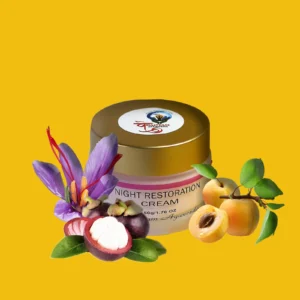
Vedantam Ayurveda’s Night Restoration Cream uses a Sandalwood and Saffron base — both classified in classical Ayurvedic texts as Varnya (complexion-brightening) herbs — in a balanced, non-greasy formulation.
Key Ingredients: Sandalwood & Saffron

- Sandalwood (Chandan): Used in Ayurveda for over 4,000 years. Classified as a cooling, anti-inflammatory herb suitable for Pitta skin. Supports wound healing and reduces hyperpigmentation.
- Saffron (Kumkuma): A Varnya (brightening) herb mentioned in the Charaka Samhita. Rich in carotenoids; supports skin tone evenness and glow.
3. Dr. Bansal’s Ayurvedic Skincare Approach

Treating Root Causes, Not Just Symptoms
Dr. Bansal, Senior Ayurvedic Physician at Vedantam Ayurveda with over 20 years of clinical practice, follows the classical Ayurvedic principle that skin conditions arise from internal imbalance — not only external factors. His approach evaluates digestive health, stress levels, sleep quality, and dosha constitution before recommending any topical protocol.
Dosha-Based Personalized Herb Selection
- Acne / Pitta imbalance: Turmeric (anti-inflammatory), Neem (antibacterial), Sandalwood (cooling).
- Dry / Aging / Vata imbalance: Ashwagandha and Gotu Kola with sesame or sweet almond oil as carriers.
- Congested / Kapha imbalance: Stimulating herbs like Triphala and ginger; lighter oil carriers.
Integrating Ayurveda with Modern Dermatology
Where clinically appropriate, Dr. Bansal integrates evidence-based techniques such as microdermabrasion for collagen support alongside Ayurvedic herbal protocols. This combined approach ensures both immediate improvements and sustainable long-term skin health. Diet and lifestyle guidance — including dosha-appropriate foods, sleep hygiene, and yoga — form part of every consultation.
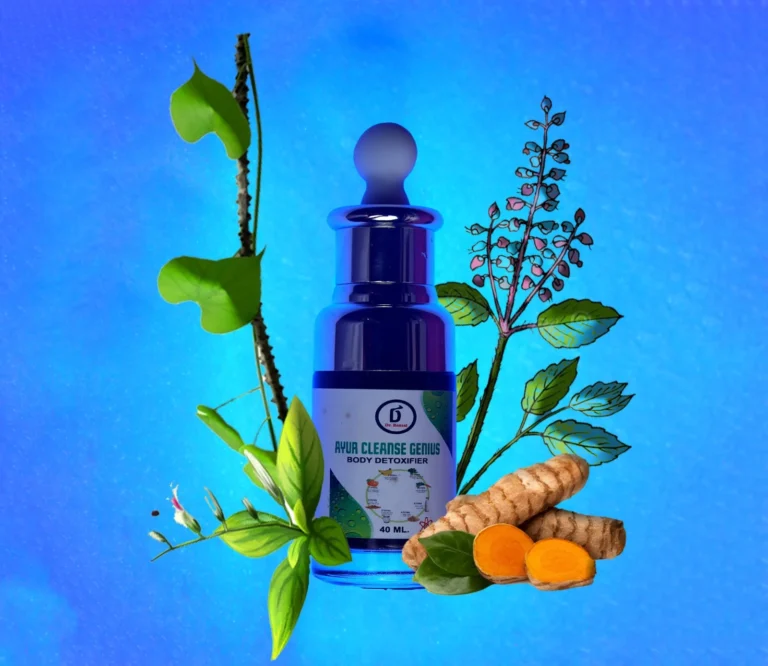
4. Ayur Cleanse Genius – Internal Detox for Skin Health
What is Ama? The Ayurvedic Concept of Toxin Accumulation
Ayurveda describes “ama” as the byproduct of incomplete digestion — a sticky, unprocessed metabolic residue that accumulates in the body’s channels (srotas) and manifests as fatigue, digestive issues, mental fog, and dull or congested skin. Ayurvedic detoxification protocols — including Panchakarma and daily herbal cleansing — are designed to systematically reduce ama load.
Key Benefits of Ayur Cleanse Genius
- Liver and kidney support: Gentle herbal action on the primary detoxification organs without aggressive purging.
- Digestive regularity: Supports healthy elimination, a key factor in Ayurvedic skin health.
- Skin clarity: Reduced ama load correlates with clearer, less congested skin — particularly for Kapha and Pitta imbalances.
- Energy restoration: Addresses fatigue at its source rather than masking it.
- Daily use-safe: Formulated for extended, regular use — not a harsh one-time cleanse.
Every herb in Ayur Cleanse Genius is selected based on classical Ayurvedic texts and tested for safety and consistency at Vedantam Ayurveda’s formulation facility.
5. Ayurvedic Skincare Tips by Skin Type & Season
Pitta Skin (Oily / Sensitive / Inflamed)
- Use cooling herbal soaps with neem, sandalwood, or rose
- Avoid heavy oil-based creams during summer; opt for aloe vera or cucumber-based formulas
- Keep the liver healthy through diet and herbal support — Pitta skin often reflects digestive excess
- Avoid excessive sun exposure; use natural sunscreen
Vata Skin (Dry / Rough / Flaky)
- Cleanse gently — avoid over-washing, which strips protective oils
- Apply sesame oil or a nourishing Ayurvedic night cream before sleep
- Stay hydrated; include warm soups and healthy fats in your diet
- Practice Abhyanga (self-massage with warm oil) weekly
Kapha Skin (Oily / Congested / Dull)
- Cleanse twice daily with an herbal soap that includes stimulating herbs
- Exfoliate once or twice weekly using natural grain-based scrubs
- Support lymphatic drainage through exercise and dry brushing
- Internal detox (like Ayur Cleanse Genius) is especially beneficial for Kapha skin
Seasonal Adjustments in Ayurvedic Skincare
- Summer (Pitta season): Focus on cooling, light formulations; increase hydration.
- Monsoon: Humidity increases Kapha and Pitta — cleanse more frequently; avoid heavy creams.
- Winter (Vata season): Prioritize nourishment; use richer creams and body oils; reduce harsh cleansers.
Common Mistakes in Ayurvedic Skincare (And How to Avoid Them)
- Using the wrong dosha formulation: A Kapha-type using heavy oils will experience more congestion, not less.
- Skipping internal health: Topical products alone cannot counteract poor digestion, chronic stress, or disturbed sleep.
- Overusing products: More is not better in Ayurveda. Consistency with the right product for your skin type outperforms aggressive multi-step layering.
- Ignoring seasonal change: Ayurveda recommends seasonal transitions (Ritucharya) in skincare routine — not using the same products year-round.
Frequently Asked Questions (FAQ)
Q1. What are the best ayurvedic skin care tips for daily use?
The most effective daily routine involves: (1) cleansing with a natural herbal soap matched to your skin type, (2) applying a lightweight, dosha-appropriate moisturiser, (3) using a targeted Ayurvedic night cream before sleep, and (4) supporting skin health from within through diet and periodic herbal detox.
Q2. How does GlowUp Natural Skincare Soap differ from regular soap?
GlowUp is formulated without synthetic detergents, parabens, or sulfates. It uses Ayurvedic herbs (neem, coconut oil, shea butter) that cleanse without stripping the skin’s natural oils or disrupting its pH balance — unlike most commercial bars.
Q3. What are the key ingredients in the Night Restoration Cream?
The cream uses Sandalwood (Chandan) and Saffron (Kumkuma) — both classical Varnya (brightening) herbs from Ayurvedic texts — in a non-greasy base. These ingredients support skin cell renewal and even skin tone during the body’s natural nighttime repair window.
Q4. What does a consultation with Dr. Bansal involve?
Dr. Bansal’s consultation assesses your dosha constitution, skin type, digestive health, and lifestyle factors. Based on this, he recommends a personalized protocol of herbal topicals, dietary adjustments, and lifestyle changes — addressing skin conditions at their root rather than suppressing symptoms.
Q5. What is “ama” and why does it affect skin health?
Ama is the Ayurvedic term for metabolic waste that accumulates when digestion is impaired. It blocks the body’s channels (srotas), disrupts internal balance, and commonly manifests as congested, dull, or acne-prone skin. Ayur Cleanse Genius helps reduce ama through gentle multi-organ detox support.
Q6. Are Vedantam Ayurveda products suitable for all skin types?
GlowUp Soap is formulated for all skin types. For night creams and targeted treatments, results are best when the product is matched to your dosha (Pitta, Vata, or Kapha). Dr. Bansal’s consultations help ensure the right product selection for your specific skin profile.
Q7. Where can I buy Vedantam Ayurveda products?
All products are available at vedantamayurveda.in. For product guidance, contact support@vedantamayurveda.com or call +91-9205678439.